Loading...
Serving Taunton, MA and surrounding areas. (508) 464-9581
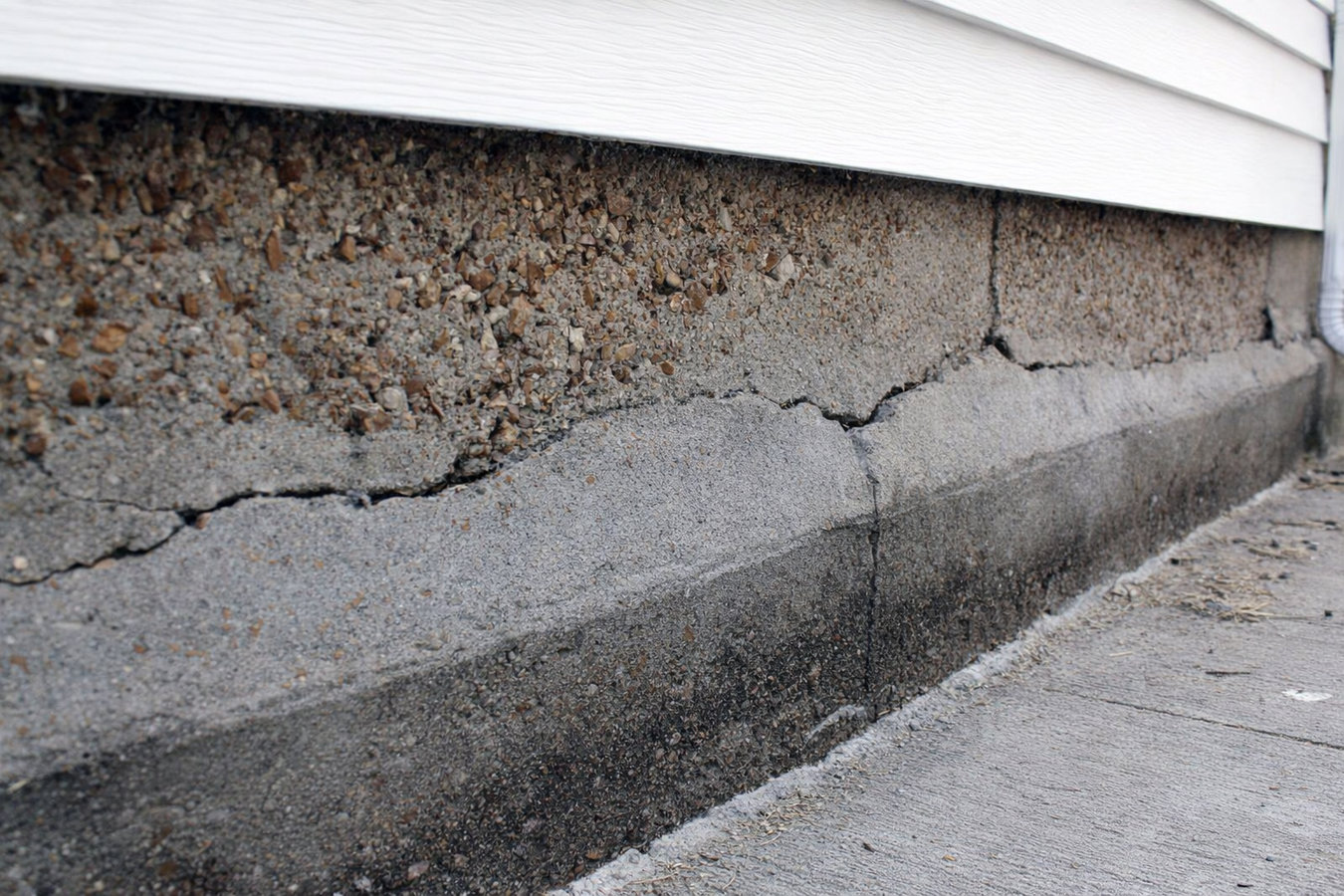
A sunken stoop, an uneven garage floor, or a walkway that slopes away from where it should, we lift concrete slabs back to level in Taunton using foam injection or mudjacking, no tearout, no long cure times, and we fix the drainage that caused the problem in the first place.
Foundation raising in Taunton lifts a sunken or uneven concrete slab back to its original level position by pumping material beneath the slab through small drilled holes, most jobs take two to four hours and you can walk on the surface the same day or the next, depending on which method was used.
Slabs sink when the soil underneath shifts, washes away, or compresses over time. In Taunton, water is the most common driver, whether from heavy rain, poor drainage, or a leaky pipe eroding the ground that was supporting your slab. Once that support disappears, the concrete above it gradually drops. A sunken stoop, garage floor, or walkway is not just cosmetic; it is a tripping hazard that gets worse with every freeze-thaw cycle Taunton experiences each winter.
Foundation raising is often paired with other concrete work. If the slab has cracked beyond repair before the lift, concrete cutting cleanly removes the damaged section first. If the existing slab is too compromised to lift, slab foundation building replaces it with a new pour to modern standards.
If you can see a gap between your front steps and the foundation wall, or the steps feel like they tilt slightly away from the door, the slab underneath has likely shifted. This is one of the most common signs in Taunton's older neighborhoods, where stoops were often poured separately from the main foundation and are the first to move.
After a heavy rain, walk around your home and watch where the water goes. If it collects against your foundation wall or sits in low spots near the house rather than draining away, the soil around your foundation has likely settled unevenly. In Taunton's wetter springs, this pooling accelerates the erosion that causes slabs to sink.
When a foundation shifts, the door frames and window frames shift with it. If a door that always worked fine now drags on the floor or a window suddenly feels stiff, the frame has likely racked slightly out of square, a sign the structure beneath it has moved.
Hairline cracks in concrete are normal. But diagonal cracks, especially ones that are wider at one end than the other, suggest one part of the slab has dropped more than another. In Taunton homes built on older fill, this pattern often appears first in garage floors and basement corners.
We offer both foam injection and traditional mudjacking methods, and we recommend the one that makes the most sense for your specific situation. Foam injection uses a lightweight expanding foam that weighs far less and cures faster; most foam jobs are done in a few hours and you can walk on the surface the same day. Traditional mudjacking pumps a cement-and-soil slurry under the slab, which costs less per square foot but takes longer to cure. Both methods work when the underlying drainage issue is addressed.
Foundation raising is the right solution when your slab is structurally sound but sitting lower than it should be. If the slab itself is cracked through or crumbling, raising may not hold long-term and replacement becomes the better investment. Every lifting job we quote includes a drainage assessment, because if the water problem that caused the sinking is not fixed, the slab will sink again. We link raising work to concrete cutting when a damaged section needs to be removed first, and to slab foundation building when the existing slab is too far gone to lift.
For homeowners who need a fast, lightweight solution that cures in hours and lasts longer than traditional methods, foam injection is the modern standard for residential slab raising.
For larger or less-critical areas where a cement-based slurry provides adequate lift at a lower cost per square foot, traditional mudjacking remains a reliable method.
For homeowners whose slabs have sunk due to poor drainage or soil erosion, we assess the underlying cause and recommend grading or downspout changes to prevent recurrence.
Taunton sits in a climate zone where the ground freezes and thaws repeatedly every winter. Each freeze-thaw cycle pushes soil up and then lets it settle back down, and over years that movement erodes the stable base under your concrete. This means foundation problems here are not a sign of bad luck; they are a predictable result of living in southeastern Massachusetts, and most homeowners in older neighborhoods will face this at some point.
A large share of Taunton's homes were built between the 1940s and 1980s, when soil preparation and drainage standards were less rigorous than they are today. Older slabs were often poured over minimally compacted fill, which means they are more likely to develop voids underneath as that fill settles over decades. Parts of Taunton sit in low-lying terrain near the Taunton River watershed, where water drains slowly and the soil stays saturated longer after rain, which accelerates the sinking process.
We serve homeowners throughout Taunton and surrounding communities including Raynham, Norton, and Easton, where the same freeze-thaw and drainage conditions create the same sinking-slab patterns. Whether your home is near the Taunton Green or out in East Taunton, we know what the local housing stock looks like and what soil conditions to expect.
We respond within 1 business day. Tell us where the slab is, roughly how much it has sunk, and whether you have noticed any cracking. This five-minute call helps us show up prepared with the right equipment and realistic expectations for cost.
We walk the area with you, measure how far the slab has dropped, and look at the surrounding drainage and soil conditions. A good contractor earns their fee at this step, explaining what caused the sinking rather than just quoting a lift. The assessment is free and usually takes 30 to 45 minutes.
After the visit, you receive a written estimate that breaks down the cost and the method we plan to use. If a permit is required for your job under Taunton's building rules, we flag it at this stage and explain whether we will pull it or whether you need to. We do not skip the permit conversation on structural work.
The crew drills small holes through the slab in a planned pattern, then pumps material underneath until the slab rises back to level. Most residential jobs are finished in two to four hours. If foam injection was used, you can walk on the surface within an hour or two. If mudjacking was used, we tell you how long to wait, usually 24 hours.
Free drainage assessment included with every quote. You will receive a written estimate and a clear explanation of what caused the sinking, not just a number.
(508) 464-9581We walk the site and check drainage before quoting. If water is eroding the soil under your slab, raising it without fixing the drainage means the slab will sink again in two or three years. We tell you what we see and what we recommend to keep the problem from returning, not just what you want to hear.
Traditional mudjacking and foam injection are both fast processes. For a typical Taunton stoop, garage section, or walkway, the crew drills, lifts, patches the holes, and cleans up in a single visit. You are not waiting days or weeks for new concrete to cure like you would with replacement.
We have lifted slabs throughout Taunton and Bristol County since we started. We know where the soil drains poorly, where ledge rock is close to the surface, and what Taunton's older housing stock looks like underneath. That experience shows up in the price we quote and the method we recommend.
Some contractors only offer one method and try to sell it for every job. We carry both foam injection and traditional mudjacking equipment and recommend the one that makes the most sense for your specific situation and budget. We explain the difference so you can make an informed choice.
Raising a slab is faster and less expensive than replacement, but it only works if the contractor addresses the underlying drainage or soil issue that caused the sinking in the first place. We have lifted slabs throughout Taunton since 2022, and we know what causes slabs to sink in this area and what needs to happen to keep them level.
When a sunken slab has cracked beyond repair or needs to be removed before lifting, concrete cutting cleanly separates the damaged section before the raising work begins.
Learn moreFor homeowners whose existing slab is too compromised to lift, a new slab foundation poured to modern standards is the long-term solution that stops the settling cycle.
Learn moreTaunton winters are coming, get your slab level before the ground freezes again and the problem gets worse.